
Unclogging a Toilet: causes, home solutions, and when to call a professional plumber
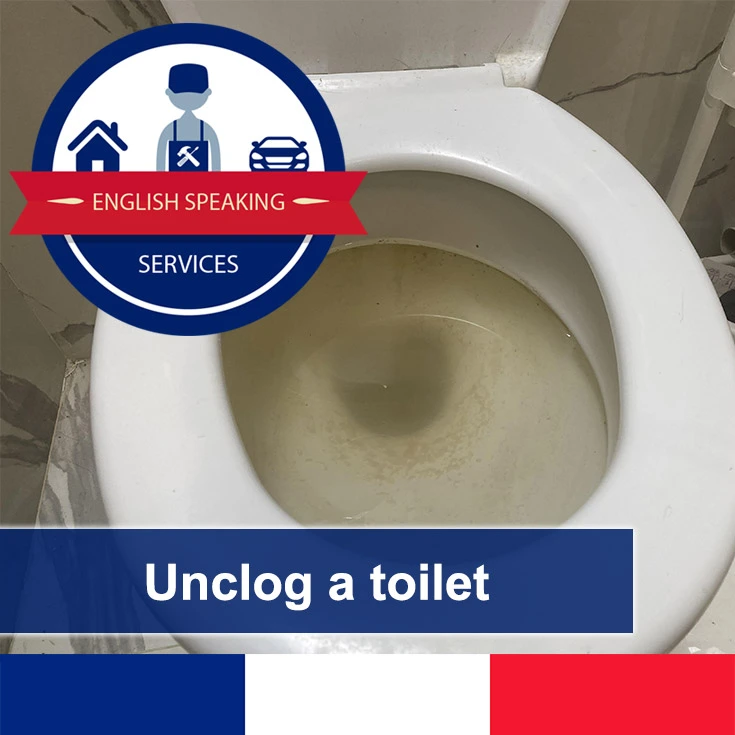
A clogged toilet is one of the most unpleasant and urgent plumbing issues you can face. Whether you live in Paris, Lyon, or Marseille, no one likes dealing with a toilet that overflows or won’t flush properly. Understanding the causes of the blockage, knowing a few effective home remedies, and recognizing when to call a professional plumber can save you time, stress, and money.
The Most Common Causes of a Clogged Toilet
Several factors can lead to a blocked WC:
- Excess toilet paper: Flushing too much paper at once can form a solid clog inside the drainpipe.
- Foreign objects: Toys, wipes, sanitary products, or cotton swabs can easily block the trapway.
- Limescale buildup: Over time, mineral deposits can narrow the pipe and slow drainage.
- Main drain issues: Sometimes, the problem doesn’t come from the toilet itself but from a clog in the main sewer line.
The Consequences of Ignoring a Blocked Toilet
A clogged toilet can quickly become a serious problem:
- Backflow of dirty water, bad smells, and even flooding.
- Damage to seals and joints, leading to water leaks and structural damage.
- Unsanitary conditions, bacterial growth, and persistent odors in the bathroom.
Ignoring the issue will only make it worse and increase the cost of the repair.
Home Solutions to Unclog a Toilet
Before calling a professional, try some of these simple and natural methods to clear the blockage:
- Baking Soda and White Vinegar
Pour one cup of baking soda followed by one cup of white vinegar into the toilet bowl. Let it sit for about 30 minutes, then flush with hot water. - The Plunger
A classic and reliable tool. Make sure the base of the plunger is fully submerged to create a proper seal and strong suction. - The Plumbing Snake (or Drain Auger)
A flexible tool that can reach deep into the drain to break up or pull out the clog manually. - The Plastic Bottle Technique
If you don’t have a plunger, a plastic bottle can be a clever alternative.- Cut off the bottom of a sturdy 1.5L or 2L bottle.
- Screw the cap back on tightly to seal it.
- Insert the open end of the bottle into the toilet bowl (neck facing up) and push it up and down vigorously.
The pressure created by the water and air movement helps dislodge the clog and restore normal flow.
This quick, inexpensive method often works surprisingly well.
- Cut off the bottom of a sturdy 1.5L or 2L bottle.
- The Trash Bag Technique
Another effective DIY trick is to use a thick plastic trash bag as a makeshift plunger.- Wrap a clean plastic bag around the end of a straight broom handle or a similar stick.
- Tie it tightly so it won’t slip off.
- Insert the bag into the bowl and move it back and forth forcefully, just as you would with a plunger.
The suction and pressure created will help loosen and break up the clog.
This is a great emergency solution when you don’t have proper plumbing tools available.
- Wrap a clean plastic bag around the end of a straight broom handle or a similar stick.
When to Call a Professional Plumber
If the clog persists, or if several drains (toilet, sink, shower) are blocked at once, it likely means there’s a deeper obstruction in the main drain system. In that case, only a qualified plumber equipped with an electric auger or high-pressure hydro jetting system can fully clear the pipes and restore proper flow.
Our plumbing repair company is available 7 days a week to unclog your toilet and restore your plumbing to perfect condition. Our technicians use professional-grade tools suited for every type of drain while respecting your installation and the environment.
Need Help Now?
Don’t let a clogged toilet ruin your comfort.
Contact our team of qualified plumbers in Paris today for a fast, reliable, and guaranteed service.
We provide emergency plumbing assistance across all of Île-de-France, offering free estimates, quick response times, and expert solutions for every type of blockage.